Does Air Conditioning Hurt Your Defender’s Performance? The Real Impact on Fuel Economy & Power
It’s a fair question.
Yes, air conditioning uses engine power. But with a properly engineered system, the real-world impact is smaller than most people expect. Especially compared to the gains in comfort, visibility, and long-distance usability.
And not all systems behave the same.
WHAT HAPPENS WHEN YOU TURN ON THE A/C
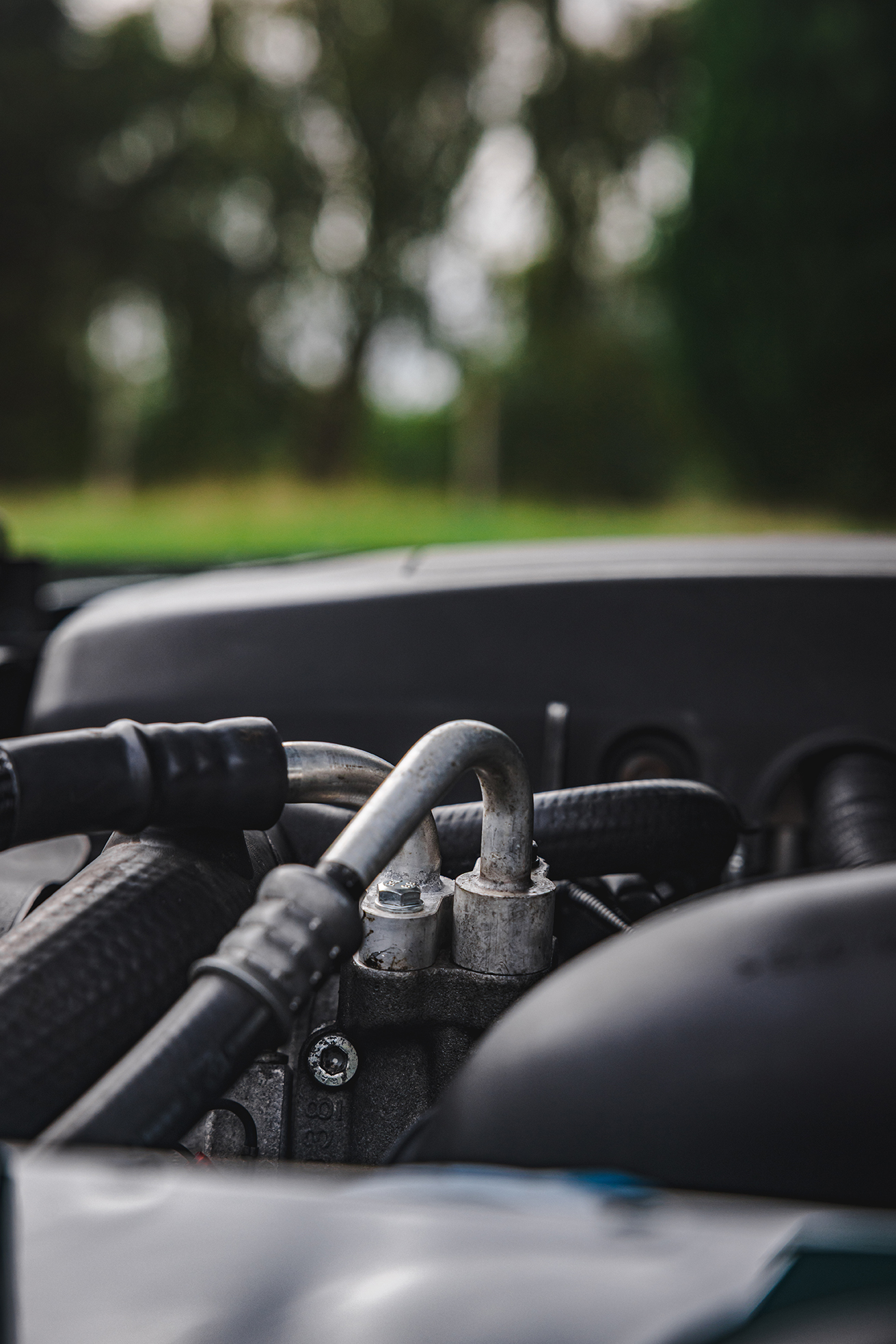
Air conditioning is driven by the engine through the auxiliary belt system. When the compressor engages, it draws power to remove heat from the cabin.
That’s the balance: improved comfort and visibility in exchange for a small increase in engine load.
Older systems can be inefficient, especially in lower-powered vehicles. Modern systems are far more effective at managing cooling performance without constantly working at maximum load.
The difference comes down to efficiency.
A system that cools the cabin faster and manages heat efficiently doesn’t need to work as hard to keep the vehicle comfortable.
That matters in a Defender.
DOES A/C AFFECT FUEL ECONOMY?
Yes.
But usually far less than people assume. In real-world driving, things like:
- Roof racks
- Oversized tyres
- Extra weight
- Poor aerodynamics, and
- Constant stop-start driving
Tend to have a greater effect on fuel economy than air conditioning alone.
Defenders are not slippery vehicles. They carry weight, push air badly, and spend much of their life fitted with expedition gear. Against that backdrop, a well-designed A/C system becomes a relatively small part of the overall fuel picture.
WHERE YOU MAY NOTICE IT
The effect is usually more noticeable in:
- Older Tdi models,
- Steep climbs,
- Towing
- Low-speed off-road driving, or
- Extreme ambient heat
AT SPEED, OPEN WINDOWS AREN’T ALWAYS BETTER
At motorway speeds, driving with the windows open can reduce efficiency more than many drivers expect.
More turbulence. More resistance through the cabin.
In many situations, keeping the windows shut and letting the system control the cabin climate is the more effective option.
DOES A/C REDUCE ENGINE PERFORMANCE?
Slightly.
But not in a way that changes what the vehicle is capable of doing.
Most drivers only notice the difference:
- In low gears
- Climbing under load, or
- Driving in very high temperatures.
Outside of that, the effect is modest in day-to-day driving.
The bigger factor is how efficiently the system manages cooling demand.
A poorly designed system has to work harder for longer. A more efficient system reaches temperature faster and places less load on the engine.
WHY SYSTEM DESIGN MATTERS
This is where Defender-specific engineering makes a difference.
Defender cabins are difficult environments for air conditioning. Large glass areas, minimal insulation, high cabin temperatures, and tight space behind the dash all make cooling harder than it would be in a modern vehicle.
That’s why good A/C isn’t just about blowing cold air. It’s about managing heat properly and keeping the cabin controlled in all conditions.
LARGER CONDENSER CAPACITY
STAUNCH systems make the most of the limited space available in a Defender, using larger and more effective condenser designs without compromising the front-end layout.
That improves heat exchange efficiency and helps the system maintain stable cooling in situations where Defenders work hardest; slow traffic, off-road driving, and extreme heat.
The result is more consistent cabin control with less strain on the system.
BETTER THERMAL EFFICIENCY
Modern heat exchanger construction improves cooling performance while reducing unnecessary strain on the system.
Internal testing showed evaporating temperatures reduced by up to 2.8°C compared to conventional Defender condenser designs, helping the cabin reach temperature faster in demanding conditions.
Lower operating pressures help reduce compressor workload, while improved evaporating performance allows the cabin to cool faster and dehumidify more effectively.
You notice it quickly. The cabin reaches temperature faster, the glass stays clearer, humidity drops, and temperatures remain more consistent over long drives.
BUILT AROUND THE DEFENDER
Universal systems often force compromises:
- Awkward ducting
- Poor airflow
- Exposed components, or
- Intrusive installation
STAUNCH systems are engineered specifically for Defender platforms, with:
- OEM-style integration
- Factory-point mounting,
- Clean wiring integration, and
- Airflow designed around the Defender cabin itself.
WHEN A/C MAKES YOU A BETTER DRIVER
Performance isn’t just about horsepower.
Heat wears drivers down. Long hours in a hot Defender affect concentration, visibility, patience, and fatigue far faster than most people realise. A properly controlled cabin changes how the vehicle feels to drive, especially over long distances or in difficult conditions.
Cool, dry airflow helps keep you alert on remote routes and long motorway stretches. Fast demisting keeps the glass clear in cold or wet weather. And when you’re crawling off-road or sitting in traffic, A/C maintains airflow and cabin comfort where open windows and standard vents fall short.
It also makes a difference to everyone else in the vehicle; passengers, pets, tired kids, all of it.
STAUNCH A/C doesn’t just cool the air. It helps the Defender stay comfortable, usable, and controlled wherever the journey goes.
If you’re still weighing up the upgrade, see our article Is Air Conditioning Worth It in a Classic Defender?
THE REAL-WORLD VERDICT
Yes, air conditioning uses engine power, and it does increases fuel consumption to some degree.
But in a Defender, the overall impact is usually modest when the system is properly engineered for the vehicle.
What matters more is how effectively the system manages heat, airflow, and cooling demand under any conditions.
That’s where STAUNCH systems are built differently.
Efficient cooling. Stable performance. Clean integration. Built for the realities of Defender ownership.
Because in the real world, comfort isn’t luxury.
It’s capability.